Just How a Memory Care Home Can Help Reduce Straying Dangers
Business Name: BeeHive Assisted Living Homes of Rio Rancho NM #1 - Dementia Care & Memory Care
Address: 204 Silent Spring Rd NE, Rio Rancho, NM 87124
Phone: (505) 221-6400
BeeHive Assisted Living Homes of Rio Rancho NM #1 - Dementia Care & Memory Care
BeeHive Assisted Living Homes of Rio Rancho NM #1 - Dementia Care & Memory Care is a premier Rio Rancho Assisted Living facilities and the perfect transition from an independent living facility or environment. Our Alzheimer care in Rio Rancho, NM is designed to be smaller to create a more intimate atmosphere and to provide a family feel while our residents experience exceptional quality care. We promote memory care assisted living with caregivers who are here to help. Memory care assisted living is one of the most specialized types of senior living facilities you'll find. Dementia care assisted living in Rio Rancho NM offers catered memory care services, attention and medication management, often in a secure dementia assisted living in Rio Rancho or nursing home setting.
204 Silent Spring Rd NE, Rio Rancho, NM 87124
Business Hours
Wandering is among the hardest parts of dementia for families to handle because it frequently shows up silently, then all of a sudden ends up being immediate. A parent that has always been steady on their feet may begin pacing at odd hours, slipping out the front door, or attempting to "go home" from the really location they currently live. That can be frightening, not just because of the opportunity of getting shed, yet due to the fact that straying typically signals something much deeper. It might originate from complication, unmet needs, anxiety, pain, monotony, or the simple fact that a person no more acknowledges the safety cues that once maintained them anchored.
A memory care home is built with that truth in mind. Great memory care does not attempt to regulate individuals in a chilly or overly limiting method. Rather, it produces an environment where activity is still respected, but the threats linked to straying are reduced via thoughtful layout, trained assistance, and daily routines that make good sense to residents with cognitive impairment. For many households searching for memory care near me or comparing senior living near me choices, that distinction is usually what transforms the conversation from situation administration to something extra stable and humane.
Wandering is seldom random
People occasionally image wandering as just "walking off," but in elder care it is usually much more layered than that. A resident may be searching for a partner that died years ago, attempting to reach function, or seeking the bathroom and then losing the string halfway there. Some individuals relocate due to the fact that they feel restless. Others rate due to the fact that they are anxious, suffering, hungry, or overstimulated. In many cases, the urge appears at the exact same time every day, commonly late mid-day or night, when tiredness and confusion build.
That is why straying risk has to be recognized as a health and safety issue, not a behavior issue. Family members who have tried to handle it in the house recognize just how stressful it can be. A couple of mins of disturbance is all it can take for a loved one to leave with an opened door or step outside while a person is responding to a call. Even when absolutely nothing serious takes place, the fear alters the environment of the entire home. Individuals start to doze, check locks consistently, and develop their whole timetable around supervision.
A well-run memory care home lowers that strain by thinking roaming may happen and constructing layers of support around it. The goal is not to get rid of motion. It is to decrease unsafe departures, protect against disorientation from becoming harmful, and respond quickly when a resident starts to drift.
The atmosphere does a great deal of the work
One of the most significant benefits of memory care is that the structure itself is developed for individuals that might roam. That appears basic, but it matters greater than many families realize. A typical apartment building, assisted living floor, or personal home frequently has way too many exits, way too many visual disturbances, and a lot of possibilities for somebody with dementia to get transformed around.
In a memory care home, the design is typically easier to review. Hallways are more simple. Landmarks are clear. There might be shade signs, memory boxes outside spaces, or thoroughly selected style that aids citizens orient themselves. Doors that ought to not be opened without assistance might blend into the wall as opposed to attract attention like an invite. Courtyards and strolling paths may be protected so homeowners can maintain moving without getting to a road or car parking lot.

Good design also lowers agitation. Rough lighting, puzzling mirrors, cluttered spaces, and loud history noise can all boost the impulse to roam. A calmer atmosphere can reduce the path from anxiety to cooperation. I have seen locals settle quicker when the area really felt familiar and uncluttered, with adequate light to minimize darkness and adequate room to stroll without running into furniture.
These style selections might not seem remarkable, however they are typically the difference in between repeated near-misses and a predictable day.
Staff know how to check out the signs prior to a resident bolts
The best memory care teams do not await a resident to get to the door before stepping in. They find out the small signals that roaming is constructing. Some individuals end up being much more focused on footwear or layers. Others stand up and take a seat continuously, glance toward departures, or start loading a bag without any clear function. A resident who asks to "go home" three times in 10 mins may not be looking for a location whatsoever. They may be attempting to relieve a feeling.
Experienced personnel react with redirection rather than conflict. That issues. Telling a person with dementia that they are incorrect frequently creates more anxiety, which can make wandering even worse. A tranquil caregiver could supply a stroll, a snack, a bathroom check, or a possibility to look at an image cd. In some cases the demand is physical. In some cases it is emotional. Often the individual simply needs a change in activity before need to leave develop into a real exit attempt.
This sort of response calls for staffing that comprehends dementia, not simply general senior care. It takes patience, monitoring, and repeating. A memory care home is most likely to have regimens and training constructed around those skills than a setting where caregivers are asked to cover a broad series of senior living demands without the very same degree of focus.
Routines lower the urge to roam
People living with dementia commonly do far better when the day has a predictable rhythm. That does not imply the schedule needs to be inflexible to the min. It indicates dishes, rest, activity, and personal care take place in a manner that feels secure and acquainted. When a resident understands about what comes next, there is less room for the agitation that can bring about wandering.
That predictability can be especially vital in the afternoon and night. Many families identify the late-day uneasyness in some cases called sundowning, when confusion and anxiousness boost as the light adjustments. In a memory care setup, staff typically readjust the environment and the day's pace during those hours. There may be quieter songs, gentler changes, and extra one-on-one peace of mind. Citizens are not entrusted to fill empty time by themselves, which can be a surprisingly crucial protection.
Boredom is an underestimated trigger. A person that has invested an hour with nothing to do might end up being established to "go somewhere," even if the location is uncertain. Significant activity, whether folding towels, sprinkling plants, listening to familiar tunes, or moving with a led workout course, can reduce that pressure. The movement is still there, but now it has a purpose.
Security needs to really feel helpful, not punitive
Families often fret that memory care means living behind locked doors in a harsh or institutional setting. The much better homes take a various method. Protection exists, however it is woven right into the background. Residents can move around safely without feeling trapped.
This balance is difficult. Way too much limitation can make a person feel restricted, which might enhance attempts to leave. Inadequate structure can create genuine risk. Skilled memory care homes function to strike the middle ground by incorporating gain access to, supervision, and discreet safeguards. Team might keep track of doors, usage signaling systems, and keep an eye on citizens' patterns without turning the building right into something that feels punitive.
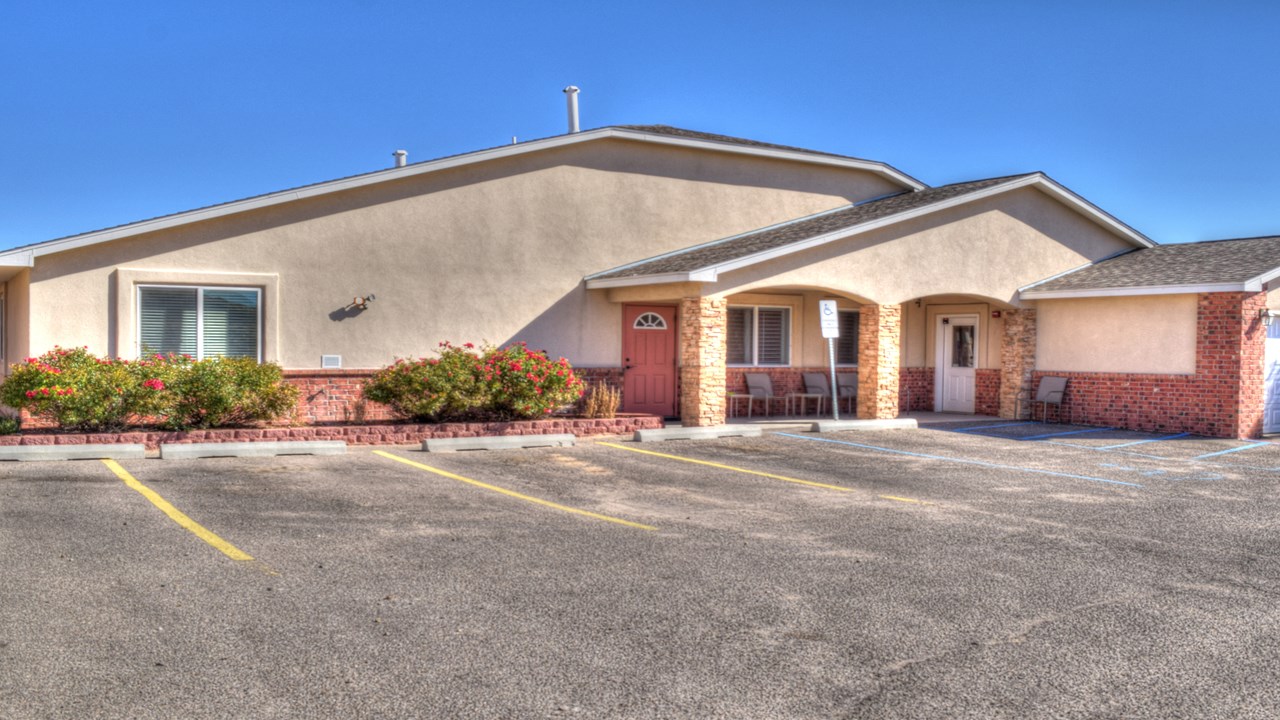
That same balance matters when families are comparing senior living near me options. A strong tour needs to not just reveal you where exits are regulated. It must reveal you how residents invest their time, whether they appear calm, whether team show up and involved, and whether the environment feels welcoming. Safety is not practically locks. It is about whether individuals can live with dignity while remaining protected.
When straying happens at home, the toll is real
Some family members try to postpone the move to memory care due to the fact that they want to recognize an assurance to keep a loved one at home as long as possible. That reaction is reasonable, and many people do manage with a mix of family members support, home adjustments, and respite care. Once straying ends up being constant, the burden can spread across every component of life.
Adult kids may take turns oversleeping shifts. A partner might stop leaving your home. Doors get brand-new locks, alarm systems obtain added, and still the anxiety lingers. If the person with dementia has actually already gone missing out on once, also for a short time, the stress and anxiety can end up being constant. It is difficult to overstate what that does to a household.
A memory care home can alleviate that concern due to the fact that it gets rid of the demand for family members to be working every min of the day. That is not a minor benefit. It alters whether a spouse can relax through the evening, whether a grown-up child can maintain functioning, and whether the rest of the family members can hang out with each other without a person always watching the hallway.
For families that are using respite care prior to making a longer-term decision, the brief keep can be disclosing. Individuals usually see virtually immediately whether their loved one resolves into a more organized setting or continues to really feel troubled. That experience can help clarify whether continuous memory care is the ideal next step.
Good memory care sees the whole person
The most reliable straying avoidance typically begins long prior to the door. A resident that is in pain, constipated, dried out, under-stimulated, or anxious is more likely to try to leave. Great memory care homes take note of those underlying triggers. Personnel notice if somebody is eating much less, resting improperly, or unexpectedly a lot more flustered than usual. An adjustment in straying habits may be the first clue that another thing is going on.
That is where senior care in a memory care setting comes to be even more extensive than easy supervision. Care teams typically coordinate drug timing, hydration, toileting support, and activity planning with the resident's daily patterns. If a person has a tendency to rate after lunch, team may plan for a stroll or a job around that time instead of waiting on the uneasyness to develop. If somebody becomes disoriented when tired, the team may adjust how much stimulation they receive late in the day.
A wandering risk is hardly ever fixed by one intervention alone. It is generally handled with a series of small, practical choices that, with each other, make the day safer.
What households need to focus on on a tour
When you visit a memory care home, the obvious points matter. Are the doors protect? Does the building feel simple to browse? Exist puts for homeowners to stroll securely? However the much less obvious details typically inform you more.
Does team communication feel tranquil and respectful, specifically when locals appear puzzled? Do individuals seem guided delicately as opposed to assisted living near me rushed? Are exits visually decreased, or do they stand apart in a manner that might invite tampering? Exists adequate activity to keep citizens involved, or do you see people resting for lengthy stretches with little to do?
You can also ask particular questions about roaming prevention, since the response exposes a great deal about how the home operates. The best questions are usually easy and practical.
- How do you respond when a resident tries to leave?
- What training do team receive regarding dementia-related wandering?
- How do you sustain residents that rate or need frequent walking?
- What happens if a resident comes to be dizzy throughout an activity or transition?
- How do you connect patterns or concerns to family members members?
A thoughtful employee should be able to respond to without sounding defensive or rehearsed. They must have the ability to explain exactly how they stabilize safety with regard, and how their method changes as a resident's needs evolve.
Families frequently require time to rely on the process
Even when memory care is clearly the safer option, it can require time for families to really feel peaceful with the relocation. That is typical. There is emotional weight in handing over supervision, particularly if you have invested months or years taking care of roaming at home. Regret frequently shows up first. Alleviation comes later on, in some cases much later on, once you see your loved one much less flustered and no longer at risk of stepping into danger.
I have watched family members relocate via that change in stages. At first, they are focused on the loss of control. After that they start observing the useful enhancements. The person is resting better. The calls are much less agitated. The resident who used to screw for the front door is currently walking with a function in a secure courtyard or signing up with a team activity with much less resistance. Those modifications do not erase the diagnosis, but they can make every day life steadier.
This is likewise why a memory care home is not only about safety and security. It is about quality of life. A resident that no longer has to be chased after, restrained, or constantly remedied might in fact really feel less tense. That calmer baseline can reduce several of the really habits households fear most.

The best end result is typically much less about quiting movement and more regarding guiding it
Wandering is not the opponent in every form. Strolling can soothe, organize thought, and give a person a sense of firm. The obstacle is redirecting that need right into safe pathways. A strong memory care home comprehends this difference. It provides residents area to move while lowering the chance that movement develops into danger.
That is what makes the atmosphere so valuable. The design sustains positioning. The regimens reduced anxiousness. The team discover the signals early. The whole setting is built around a reality families learn by hand, which is that someone with dementia might not be able to protect themselves from the dangers that come with shedding memory and spatial awareness.
For families contrasting memory care, elder care choices, or seeking out memory care near me after a frightening roaming event, the main inquiry is typically not whether a loved one will certainly ever before stroll again. It is whether they can stroll, rate, explore, and deal with as much liberty as feasible, without the burden of consistent danger.
That is where a well-run memory care home earns its worth. It does not guarantee perfection. It supplies something more realistic and, for many families, even more meaningful. It produces a safer area for a person that still needs to move, also when memory no more overviews the way.
BeeHive Assisted Living Homes of Rio Rancho NM #1 - Dementia Care & Memory Care provides assisted living care
BeeHive Assisted Living Homes of Rio Rancho NM #1 - Dementia Care & Memory Care provides memory care services
BeeHive Assisted Living Homes of Rio Rancho NM #1 - Dementia Care & Memory Care provides respite care services
BeeHive Assisted Living Homes of Rio Rancho NM #1 - Dementia Care & Memory Care supports assistance with bathing and grooming
BeeHive Assisted Living Homes of Rio Rancho NM #1 - Dementia Care & Memory Care offers private bedrooms with private bathrooms
BeeHive Assisted Living Homes of Rio Rancho NM #1 - Dementia Care & Memory Care provides medication monitoring and documentation
BeeHive Assisted Living Homes of Rio Rancho NM #1 - Dementia Care & Memory Care serves dietitian-approved meals
BeeHive Assisted Living Homes of Rio Rancho NM #1 - Dementia Care & Memory Care provides housekeeping services
BeeHive Assisted Living Homes of Rio Rancho NM #1 - Dementia Care & Memory Care provides laundry services
BeeHive Assisted Living Homes of Rio Rancho NM #1 - Dementia Care & Memory Care offers community dining and social engagement activities
BeeHive Assisted Living Homes of Rio Rancho NM #1 - Dementia Care & Memory Care features life enrichment activities
BeeHive Assisted Living Homes of Rio Rancho NM #1 - Dementia Care & Memory Care supports personal care assistance during meals and daily routines
BeeHive Assisted Living Homes of Rio Rancho NM #1 - Dementia Care & Memory Care promotes frequent physical and mental exercise opportunities
BeeHive Assisted Living Homes of Rio Rancho NM #1 - Dementia Care & Memory Care provides a home-like residential environment
BeeHive Assisted Living Homes of Rio Rancho NM #1 - Dementia Care & Memory Care creates customized care plans as residents’ needs change
BeeHive Assisted Living Homes of Rio Rancho NM #1 - Dementia Care & Memory Care assesses individual resident care needs
BeeHive Assisted Living Homes of Rio Rancho NM #1 - Dementia Care & Memory Care accepts private pay and long-term care insurance
BeeHive Assisted Living Homes of Rio Rancho NM #1 - Dementia Care & Memory Care assists qualified veterans with Aid and Attendance benefits
BeeHive Assisted Living Homes of Rio Rancho NM #1 - Dementia Care & Memory Care encourages meaningful resident-to-staff relationships
BeeHive Assisted Living Homes of Rio Rancho NM #1 - Dementia Care & Memory Care delivers compassionate, attentive senior care focused on dignity and comfort
BeeHive Assisted Living Homes of Rio Rancho NM #1 - Dementia Care & Memory Care has a phone number of (505) 221-6400
BeeHive Assisted Living Homes of Rio Rancho NM #1 - Dementia Care & Memory Care has an address of 204 Silent Spring Rd NE, Rio Rancho, NM 87124
BeeHive Assisted Living Homes of Rio Rancho NM #1 - Dementia Care & Memory Care has a website https://beehivehomes.com/locations/rio-rancho/
BeeHive Assisted Living Homes of Rio Rancho NM #1 - Dementia Care & Memory Care has Google Maps listing https://maps.app.goo.gl/FhSFajkWCGmtFcR77
BeeHive Assisted Living Homes of Rio Rancho NM #1 - Dementia Care & Memory Care has Facebook page https://www.facebook.com/BeeHiveHomesRioRancho
BeeHive Assisted Living Homes of Rio Rancho NM #1 - Dementia Care & Memory Care has a YouTube Channel at https://www.youtube.com/@WelcomeHomeBeeHiveHomes
BeeHive Assisted Living Homes of Rio Rancho NM #1 - Dementia Care & Memory Care won Top Memory Care Homes 2025
BeeHive Assisted Living Homes of Rio Rancho NM #1 - Dementia Care & Memory Care earned Best Customer Service Award 2024
BeeHive Assisted Living Homes of Rio Rancho NM #1 - Dementia Care & Memory Care placed 1st for Assisted Living Communities 2025
People Also Ask about BeeHive Assisted Living Homes of Rio Rancho NM #1 - Dementia Care & Memory Care
What is BeeHive Homes of Rio Rancho Living monthly room rate?
The rate depends on the level of care that is needed (see Pricing Guide above). We do a pre-admission evaluation for each resident to determine the level of care needed. The monthly rate is based on this evaluation. There are no hidden costs or fees
Can residents stay in BeeHive Homes of Rio Rancho until the end of their life?
Usually yes. There are exceptions, such as when there are safety issues with the resident, or they need 24 hour skilled nursing services
Does BeeHive Homes of Rio Rancho have a nurse on staff?
No, but each BeeHive Home has a consulting Nurse available 24 – 7. if nursing services are needed, a doctor can order home health to come into the home
What are BeeHive Homes of Rio Rancho visiting hours?
Visiting hours are adjusted to accommodate the families and the resident’s needs… just not too early or too late
Do we have couple’s rooms available?
Yes, each home has rooms designed to accommodate couples. Please ask about the availability of these rooms
Where is BeeHive Homes of Rio Rancho located?
BeeHive Homes of Rio Rancho is conveniently located at 204 Silent Spring Rd NE, Rio Rancho, NM 87124. You can easily find directions on Google Maps or call at (505) 221-6400 Monday through Friday 9:00am to 5:00pm
How can I contact BeeHive Homes of Rio Rancho?
You can contact BeeHive Assisted Living Homes of Rio Rancho NM #1 - Dementia Care & Memory Care by phone at: (505) 221-6400, visit their website at https://beehivehomes.com/locations/rio-rancho, or connect on social media via Facebook or YouTube
You might take a short drive to the Corrales Historical Society. The Corrales Historical Society offers a quiet, educational outing that residents in assisted living, memory care, senior care, and elderly care can enjoy with family or caregivers as part of meaningful respite care visits.