Future-Proof Senior Care: How to Select an Assisted Living Home That Adapts to Altering Requirements
Business Name: BeeHive Assisted Living Homes of Rio Rancho NM #1 - Dementia Care & Memory Care
Address: 204 Silent Spring Rd NE, Rio Rancho, NM 87124
Phone: (505) 221-6400
BeeHive Assisted Living Homes of Rio Rancho NM #1 - Dementia Care & Memory Care
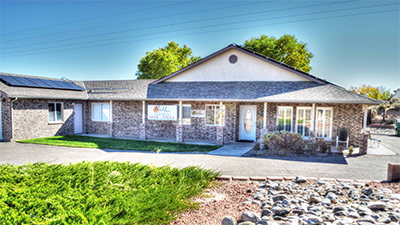
BeeHive Assisted Living Homes of Rio Rancho NM #1 - Dementia Care & Memory Care is a premier Rio Rancho Assisted Living facilities and the perfect transition from an independent living facility or environment. Our Alzheimer care in Rio Rancho, NM is designed to be smaller to create a more intimate atmosphere and to provide a family feel while our residents experience exceptional quality care. We promote memory care assisted living with caregivers who are here to help. Memory care assisted living is one of the most specialized types of senior living facilities you'll find. Dementia care assisted living in Rio Rancho NM offers catered memory care services, attention and medication management, often in a secure dementia assisted living in Rio Rancho or nursing home setting.
204 Silent Spring Rd NE, Rio Rancho, NM 87124
Business Hours
Families seldom begin looking at assisted living neighborhoods due to the fact that everything is calm and predictable. Typically there has been a fall, a medical facility stay, a wandering event, or a slow accumulation of small concerns that no longer feel small. The instant impulse is to fix the problem in front of you: "We require a safe place where Mom can get aid with showers and medications."
That instinct is understandable, but it is likewise where many individuals make their most significant mistake. They purchase what their parent requires this month, not what they are most likely to need 3, five, or eight years from now. The outcome is avoidable disruption, unexpected costs, and agonizing relocations at the very point when stability matters most.
Future-proof senior care starts with asking a different question: not just "Is this a good assisted living home for today?" however "Will this community still fit if things get more complicated?"
Drawing on what I have actually seen in senior care over several years, including both exceptional and deeply flawed positionings, here is how to examine an assisted living home with an eye on the long arc of aging, not simply today moment.
Understanding how requirements usually change over time
Every individual ages in their own way, yet particular patterns appear so often that overlooking them is risky. When households only look at present needs, they ignore how fast the care image can change.
Most homeowners who move into assisted living need aid with a handful of things: perhaps medication pointers, meal preparation, house cleaning, or some support with bathing and dressing. They are normally still social, still able to promote themselves, and often still driving or at least directing their own days.
Over the years, a number of factors tend to shift:
- Mobility gradually declines. Someone who strolls separately today may need a walker in one or two years, and a wheelchair after that. Stairs become a barrier, long corridors end up being stressful, and fall threat rises.
- Medical intricacy boosts. A resident may begin with well-controlled diabetes and high blood pressure, then establish cardiac arrest or COPD, or require anticoagulation, or go through a stroke or a joint replacement, each including monitoring and care tasks.
- Cognitive modifications creep in. Mild forgetfulness can progress to significant amnesia, confusion, or dementia. Behaviors like wandering, agitation, or nighttime wakefulness may appear.
- Continence and individual care requires change. Toileting assistance, incontinence care, and more hands-on aid with bathing, grooming, and dressing generally increase.
- Emotional and social needs progress. Friends at the community pass away or move away. A spouse passes. A once-outgoing resident might become withdrawn or depressed.
When you tour an assisted living neighborhood, you are fulfilling it throughout the honeymoon phase: your parent is brand-new, personnel are trying to impress, and needs are reasonably modest. A much better test is this: "If my parent is two times as frail as they are now, would this place still work?"
That state of mind shifts what you pay attention to.
Levels of care: what can stay, what should move
The terms "assisted living," "memory care," and "experienced nursing" noise clear, but they are not standardized in practice. Each state certifies these differently, and each operator specifies its own limitations.
For future-proof planning, you want to understand 2 things extremely specifically: how far the neighborhood can increase assistance, and where their difficult stop lies.
In numerous regions, you will experience three broad tiers:
- Assisted living for citizens who require help with activities of daily living, however do not require 24/7 nursing.
- Memory care, either as a separate locked unit within the same neighborhood or as a various structure, for residents with dementia who require more guidance and a structured environment.
- Skilled nursing (nursing homes) for citizens with complex medical needs that need constant nursing assessment, regular treatments, or rehab services.
The obstacle is that "assisted living" can mean extremely various things. Some structures can handle sliding-scale insulin, catheter care, two-person transfers, or hospice coordination. Others can not. Some memory care units are effectively assisted coping with a door lock, hardly equipped to handle severe behavioral needs. Others are really specialized, with experienced personnel, customized programs, and strong medical partners.
Ask specifically:
- What type of care can not be offered here, even with outside help?
- At what point would my parent be needed to transfer to a higher level of care?
- Are there citizens here who are on hospice? Who use wheelchairs full time? Who require 2 personnel to assist move?
- If my parent ultimately needs memory care, do you use it within this neighborhood, or would they move to a various structure or provider?
A future-proof choice is not always the one that can do everything, however the one that is clear and truthful about its limits, which has a BeeHive Assisted Living Homes of Rio Rancho NM #1 - Dementia Care & Memory Care assisted living rio rancho nm realistic, compassionate plan for citizens whose needs grow.
The anatomy of a versatile care plan
A static care strategy is a red flag. Aging is vibrant, so senior care should be too. When a community treats the care strategy as documents done at move-in and reviewed only throughout crisis, homeowners either get too little assistance or pay for services they do not use.
Look for a care preparation procedure that has a number of traits.
First, it should be multidisciplinary. The nurse, caretakers, activities staff, and ideally a relative must have input. I have actually sat in too many conferences where the care strategy reflected only what the intake nurse saw on a single afternoon, never ever the family's truths or the frontline personnel's observations.
Second, it should be scheduled for regular evaluation, not simply "as required." Every six months is decent, every three months is much better, and any hospitalization or major health change ought to set off an interim evaluation. Ask how typically care plans change for existing homeowners, and what usually triggers an adjustment.
Third, the care strategy must be detailed enough to tell a brand-new caretaker what "assist with bathing" truly suggests. Does your parent requirement cueing, or hands-on support? Exist security issues or choices, such as water temperature, use of grab bars, or modesty problems? The more accurate the paperwork, the more regularly your parent will receive care as personnel turnover happens, which it inevitably will.
Finally, the community should have the ability to scale services without drama. If your parent starts requiring help at night instead of just during the day, or shifts from partial to complete support with dressing, you desire those changes to be workable adjustments, not reasons to suggest moving out.
Staffing: the silent predictor of future quality
Floor plans and chandeliers do not change the fundamental math of care. People do. Whenever I ask families what mattered most to them in retrospection, staffing quality and stability always sit at the top of the list.
You can hear a lot about future versatility by asking direct, often uncomfortable concerns about personnel:
- What is the caregiver-to-resident ratio on days, nights, and nights?
- How often are nurses physically in the structure? Are they on-site 24/7 or on call after particular hours?
- What is your annual staff turnover rate? What about for the executive director, nurse leader, and frontline caretakers?
- How many firm or temp workers do you rely on in a common month?
- How do you ensure consistent training in dementia care, fall prevention, and infection control?
A neighborhood with stable leadership and low turnover generally adapts much better to citizens' changing requirements. Staff know the citizens, notice subtle decreases, and can change routines before emergency situations take place.
Conversely, a building that looks complete of energy during your tour, however silently relies on rotating temp staff and constant hiring, might have a hard time when your parent's needs become more intricate. The care plan on paper will sound outstanding, however the genuine, everyday care will be inconsistent.
Watch, too, how caregivers interact with existing homeowners as you walk. Do they speak respectfully? Usage names? Respond quickly to call lights? A staff that treats existing citizens well is more likely to promote when your parent needs extra attention or a brand-new method to care.
Medical assistance and partnerships: who is really watching the health curve
Assisted living is not a hospital or a complete medical center, however it sits at the crossway of real estate and health care. The method a community manages that intersection has enormous ramifications for long-term stability.
The crucial concern is not whether there is a doctor in the building every day. It rarely happens. The more appropriate questions concern how medical oversight is organized and how responsive it is.
Ask whether there is an affiliated medical care practice that sees homeowners on-site. Lots of progressive neighborhoods partner with geriatricians or nurse specialist groups who conduct regular rounds in the building. This assists capture issues early: weight reduction, medication side effects, subtle cognitive changes.
Equally essential is the neighborhood's relationship with home health, hospice, treatment companies, and medical facilities. A future-proof assisted living home ought to already have strong paths for:
- Home health nursing visits after a hospitalization
- Physical, occupational, or speech treatment provided on-site
- Smooth shifts to and from respite care or rehabilitation stays
- Hospice services incorporated into the resident's apartment
When these relationships work, a resident can frequently remain in familiar environments through major disease, rather than being bounced repeatedly in between hospital, rehab, and long-term care. That stability matters as much for households when it comes to the elder.
The function of respite care in testing fit and flexibility
Respite care is typically dealt with as a side service, something families might utilize for a week or more during a caregiver getaway or after surgery. Utilized attentively, it becomes a low-risk way to evaluate a community's capability to adapt to real-world needs.
A short-term respite stay lets you see how personnel manage medication changes, sleep disruptions, mobility problems, or behavioral quirks in practice, not simply promise. It reveals whether the "we can definitely manage that" you heard during the tour translates into actual competence.
When you arrange respite care, take notice of process more than polish. Notification how the community gathers details about your parent: do they ask comprehensive concerns, or just standard demographics and medical diagnoses? Do they take interest in your parent's habits, routines, and fears?
During and after the stay, observe how communication streams. Did they alert you immediately to any issues or modifications? Were they open to your feedback? If you heard "we do not usually do it that method" more than once, that is an indication that versatility may be limited.
If a community handles respite care with thoughtfulness, good documents, and minimal drama, it is a positive indication that they can respond to changes when your parent lives there full-time.
Environment and design that age gracefully
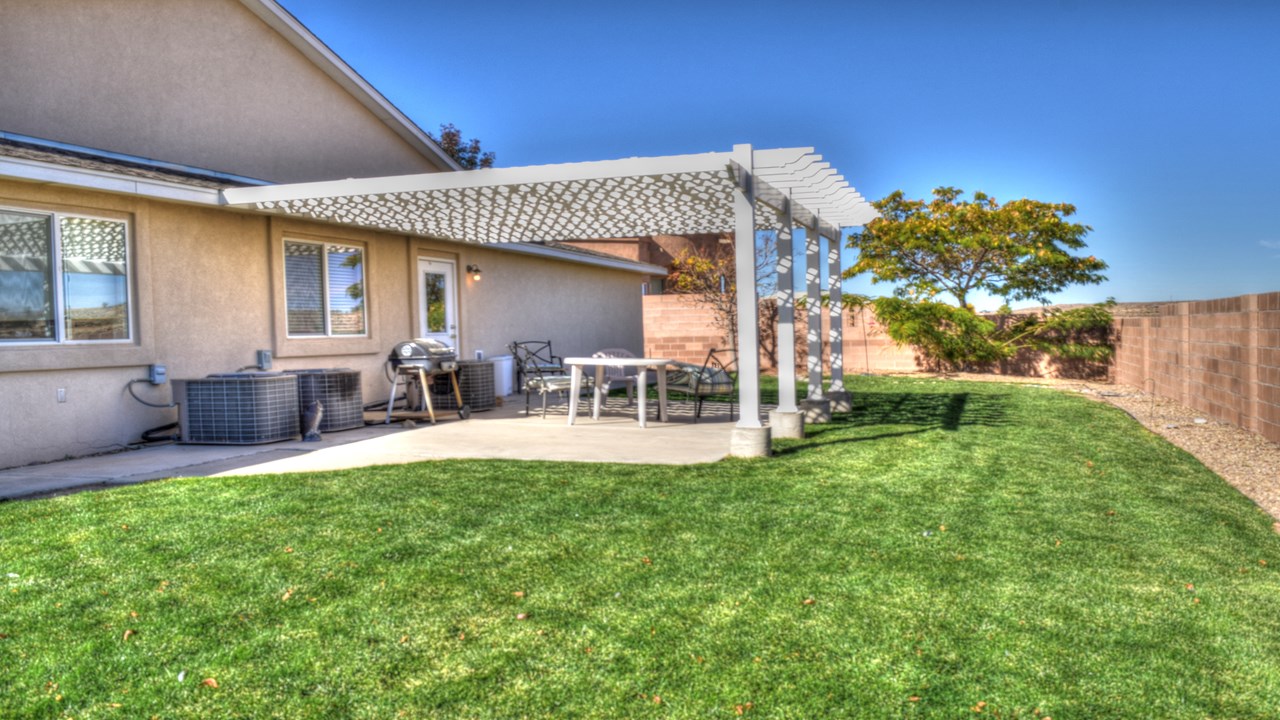
Architects love to flaunt grand lobbies, high ceilings, and fancy facilities. Those features might catch a buyer's eye in a hotel, however in elderly care they are less important than useful design that still works when somebody is ten years older and substantially more fragile.
When you stroll through, imagine your parent slower, less consistent, possibly using a walker or wheelchair, maybe more easily confused.
Watch for things like:
- The distance from apartment or condos to dining rooms, activity areas, and outside locations. Long corridors that feel fine at 78 become intimidating at 88.
- The number of changes in floor covering, thresholds, or small actions that can capture a foot or walker wheel.
- Handrail positioning, lighting levels, and contrast in between flooring and wall colors, which assist individuals with visual or cognitive decline browse safely.
- Built-in functions such as walk-in showers with seating, grab bars, and sufficient space for 2 individuals if one day your parent needs hands-on assistance.
- Quiet spaces that are not their house, where someone with dementia can sit without being overstimulated by noise or crowds.
Also take a look at memory cues. Exist clear space numbers and tailored hints on doors? Are hallways distinguishable, or does every corner look identical? Citizens with cognitive loss frequently do far much better in environments with visual anchors: colored doors, unique artwork, small household-style layouts.
A building does not need to appear like a medical facility to be safe. The sweet spot is a home-like environment that is discreetly, thoughtfully crafted for a wide range of physical and cognitive abilities.
Activities and social structure that can bend with ability
When people tour an assisted living home, they often glimpse at the activity calendar to make sure there is "adequate to do." That informs just a portion of the story. The real question is whether the social life of the community changes as locals decrease, lose hearing, or develop dementia.
A future-proof program has layers: group activities for active residents, smaller and quieter choices, and one-on-one engagement for those who can no longer join groups. It likewise acknowledges that interests alter. Somebody who enjoyed bingo at 75 might be exhausted by it at 85 yet still respond warmly to music, gentle discussion, or time in a garden.
Ask how the group approaches homeowners who hardly ever leave their spaces. Do they make individualized efforts, or just mark them "not interested"?
Look at who is in fact taking part, not simply what is used. Are the most frail homeowners visible in the typical locations at all, with some level of support, or do they appear unnoticeable? Communities that invest in bringing engagement to homeowners, instead of expecting residents always to come to them, adjust better to increasing frailty.
This is not practically quality of life. Social isolation can speed up cognitive and physical decrease. A well-run activity program is a kind of preventive care.
Money, designs, and preventing monetary traps
Future-proofing senior care is not simply clinical. It is financial. Families are regularly surprised by how billing structures work once needs increase.
Assisted living rates generally follows one of three designs:
- All-inclusive, where a flat month-to-month rate covers room, board, and a broad package of services.
- Tiered, where homeowners pay a base rate plus additional charges for specified "levels" of care.
- A la carte, where each specific service, from medication management to escorts to meals, brings a separate fee.
None of these is inherently good or bad. The essential thing is to understand how expenses will move as care intensifies.
Ask for concrete examples, not just pamphlets. What did a resident pay when they relocated with light assistance, and what do they pay 3 years later with moderate requirements? How does the neighborhood handle situations where somebody outlives their funds? If they accept Medicaid, what is the process and exist limited Medicaid-designated apartments?
I have actually seen households who selected a low base rate community, just to be shocked later on by an ever-growing list of small line items: support to the dining-room, help with hearing aids, additional laundry. The reverse also takes place: a higher complete rate that initially appears expensive ends up being stable and foreseeable over many years, particularly for those with rapidly increasing needs.
Future-proof choices consider not only "Can we afford this this year?" however "What occurs if we require two times as much care and we are still here?"
Family involvement and interaction as needs change
Even in the very best assisted living communities, what families do or do not request for makes a distinction. A culture that invites, instead of tolerates, family involvement is among the clearest signs that a home will handle modification well.
During your assessment, take notice of whether staff appear defensive when you ask in-depth concerns. A strong community will react with specifics, not vague reassurances. They invite family into care conferences, not just when there is an issue however as a routine part of planning.
Notice how they communicate about incidents and changes. Do they tell you quickly if your loved one has a fall, even without injury? Do they keep you updated on weight modifications, sleep disruptions, or new habits that suggest pain or infection?
The goal is a partnership. Households understand the elder's history, character, and preferences. Staff see the day-to-day patterns and small shifts. Future-proof senior care takes place when those two sources of knowledge are woven together, not when either side works in isolation.
A focused checklist for future-proof evaluation
Use this list throughout trips and discussions, not as a scorecard, but as triggers for deeper discussion.
- Does the community clearly discuss what care they can not provide and when a resident must move?
- How typically are care strategies evaluated, and who takes part in that process?
- What is the staff turnover rate, and how stable has leadership been in the last 3 to five years?
- How does the community deal with hospitalizations, rehabilitation stays, and the combination of home health, treatment, or hospice?
- Can they offer particular examples of citizens who have actually "aged in location" there for many years through increasing needs?
The way personnel address these concerns will expose more about their capability to adjust than any shiny brochure.
When moving twice is better than picking inadequately once
Families sometimes feel enormous pressure to find "the forever place" on the very first try. That pressure can lead to stalemates or to tolerating poor fit because "moving once again later would be dreadful."
There is fact because concern. Moves are disruptive, and older adults can decline after each shift. Yet clinging to a bad match merely because it may be "the last relocation" frequently backfires. A community that looks future-proof on paper however is weak in culture, communication, or daily care will not unexpectedly improve as your parent's requirements deepen.
Sometimes the best course is staged: a smaller assisted living neighborhood for a couple of years, then a transfer into a school with incorporated memory care, or from a private-pay setting to one that takes part in Medicaid when long-term financial resources are clearer. The secret is to select each step purposefully, with an eye on the most likely next one, instead of viewing every choice as irreversible.
A rare but essential edge case involves couples with very various needs. One partner might need memory care, while the other still drives, cooks, and interacts socially. In these circumstances, future-proofing often means prioritizing campus-style settings where both assisted living and memory care are readily available in close proximity, even if it means some compromise on other choices. Keeping spouses connected, rather than throughout town in various centers, matters profoundly over time.
Bringing everything together
Choosing an assisted living home is not merely about granite countertops, restaurant-style dining, or a busy activity calendar. It is a choice about how your parent will weather the storms that have not yet shown up: a damaged hip, an unexpected confusion episode, a progressive dementia, a sluggish slide in strength and stamina.
Future-proof senior care rests on a handful of core realities. Requirements will change. Crises will take place. Finances will evolve. What you are truly selecting is a partner because uncertainty.
When you discover a community that is truthful about its limits, disciplined in its care preparation, thoughtful in its style, steady in its staffing, well linked to medical partners, and available to family collaboration, you are not simply resolving today's problem. You are constructing a structure around your parent's life that can bend, adjust, and react as the years unfold.
That is what it suggests to select an assisted living home that genuinely adapts to altering needs, and it is one of the most concrete gifts you can give to both your loved one and to yourself.
BeeHive Assisted Living Homes of Rio Rancho NM #1 - Dementia Care & Memory Care provides assisted living care
BeeHive Assisted Living Homes of Rio Rancho NM #1 - Dementia Care & Memory Care provides memory care services
BeeHive Assisted Living Homes of Rio Rancho NM #1 - Dementia Care & Memory Care provides respite care services
BeeHive Assisted Living Homes of Rio Rancho NM #1 - Dementia Care & Memory Care supports assistance with bathing and grooming
BeeHive Assisted Living Homes of Rio Rancho NM #1 - Dementia Care & Memory Care offers private bedrooms with private bathrooms
BeeHive Assisted Living Homes of Rio Rancho NM #1 - Dementia Care & Memory Care provides medication monitoring and documentation
BeeHive Assisted Living Homes of Rio Rancho NM #1 - Dementia Care & Memory Care serves dietitian-approved meals
BeeHive Assisted Living Homes of Rio Rancho NM #1 - Dementia Care & Memory Care provides housekeeping services
BeeHive Assisted Living Homes of Rio Rancho NM #1 - Dementia Care & Memory Care provides laundry services
BeeHive Assisted Living Homes of Rio Rancho NM #1 - Dementia Care & Memory Care offers community dining and social engagement activities
BeeHive Assisted Living Homes of Rio Rancho NM #1 - Dementia Care & Memory Care features life enrichment activities
BeeHive Assisted Living Homes of Rio Rancho NM #1 - Dementia Care & Memory Care supports personal care assistance during meals and daily routines
BeeHive Assisted Living Homes of Rio Rancho NM #1 - Dementia Care & Memory Care promotes frequent physical and mental exercise opportunities
BeeHive Assisted Living Homes of Rio Rancho NM #1 - Dementia Care & Memory Care provides a home-like residential environment
BeeHive Assisted Living Homes of Rio Rancho NM #1 - Dementia Care & Memory Care creates customized care plans as residents’ needs change
BeeHive Assisted Living Homes of Rio Rancho NM #1 - Dementia Care & Memory Care assesses individual resident care needs
BeeHive Assisted Living Homes of Rio Rancho NM #1 - Dementia Care & Memory Care accepts private pay and long-term care insurance
BeeHive Assisted Living Homes of Rio Rancho NM #1 - Dementia Care & Memory Care assists qualified veterans with Aid and Attendance benefits
BeeHive Assisted Living Homes of Rio Rancho NM #1 - Dementia Care & Memory Care encourages meaningful resident-to-staff relationships
BeeHive Assisted Living Homes of Rio Rancho NM #1 - Dementia Care & Memory Care delivers compassionate, attentive senior care focused on dignity and comfort
BeeHive Assisted Living Homes of Rio Rancho NM #1 - Dementia Care & Memory Care has a phone number of (505) 221-6400
BeeHive Assisted Living Homes of Rio Rancho NM #1 - Dementia Care & Memory Care has an address of 204 Silent Spring Rd NE, Rio Rancho, NM 87124
BeeHive Assisted Living Homes of Rio Rancho NM #1 - Dementia Care & Memory Care has a website https://beehivehomes.com/locations/rio-rancho/
BeeHive Assisted Living Homes of Rio Rancho NM #1 - Dementia Care & Memory Care has Google Maps listing https://maps.app.goo.gl/FhSFajkWCGmtFcR77
BeeHive Assisted Living Homes of Rio Rancho NM #1 - Dementia Care & Memory Care has Facebook page https://www.facebook.com/BeeHiveHomesRioRancho
BeeHive Assisted Living Homes of Rio Rancho NM #1 - Dementia Care & Memory Care has a YouTube Channel at https://www.youtube.com/@WelcomeHomeBeeHiveHomes
BeeHive Assisted Living Homes of Rio Rancho NM #1 - Dementia Care & Memory Care won Top Memory Care Homes 2025
BeeHive Assisted Living Homes of Rio Rancho NM #1 - Dementia Care & Memory Care earned Best Customer Service Award 2024
BeeHive Assisted Living Homes of Rio Rancho NM #1 - Dementia Care & Memory Care placed 1st for Assisted Living Communities 2025
People Also Ask about BeeHive Assisted Living Homes of Rio Rancho NM #1 - Dementia Care & Memory Care
What is BeeHive Homes of Rio Rancho Living monthly room rate?
The rate depends on the level of care that is needed (see Pricing Guide above). We do a pre-admission evaluation for each resident to determine the level of care needed. The monthly rate is based on this evaluation. There are no hidden costs or fees
Can residents stay in BeeHive Homes of Rio Rancho until the end of their life?
Usually yes. There are exceptions, such as when there are safety issues with the resident, or they need 24 hour skilled nursing services
Does BeeHive Homes of Rio Rancho have a nurse on staff?
No, but each BeeHive Home has a consulting Nurse available 24 – 7. if nursing services are needed, a doctor can order home health to come into the home
What are BeeHive Homes of Rio Rancho visiting hours?
Visiting hours are adjusted to accommodate the families and the resident’s needs… just not too early or too late
Do we have couple’s rooms available?
Yes, each home has rooms designed to accommodate couples. Please ask about the availability of these rooms
Where is BeeHive Homes of Rio Rancho located?
BeeHive Homes of Rio Rancho is conveniently located at 204 Silent Spring Rd NE, Rio Rancho, NM 87124. You can easily find directions on Google Maps or call at (505) 221-6400 Monday through Friday 9:00am to 5:00pm
How can I contact BeeHive Homes of Rio Rancho?
You can contact BeeHive Assisted Living Homes of Rio Rancho NM #1 - Dementia Care & Memory Care by phone at: (505) 221-6400, visit their website at https://beehivehomes.com/locations/rio-rancho, or connect on social media via Facebook or YouTube
Take a short drive to Joe's Pasta House - Rio Rancho . Joe’s Pasta House offers comfort food in a welcoming setting that supports assisted living, memory care, senior care, elderly care, and respite care dining visits.